Siemens Report: Smart Technology Vital for Global Power Grid Stability
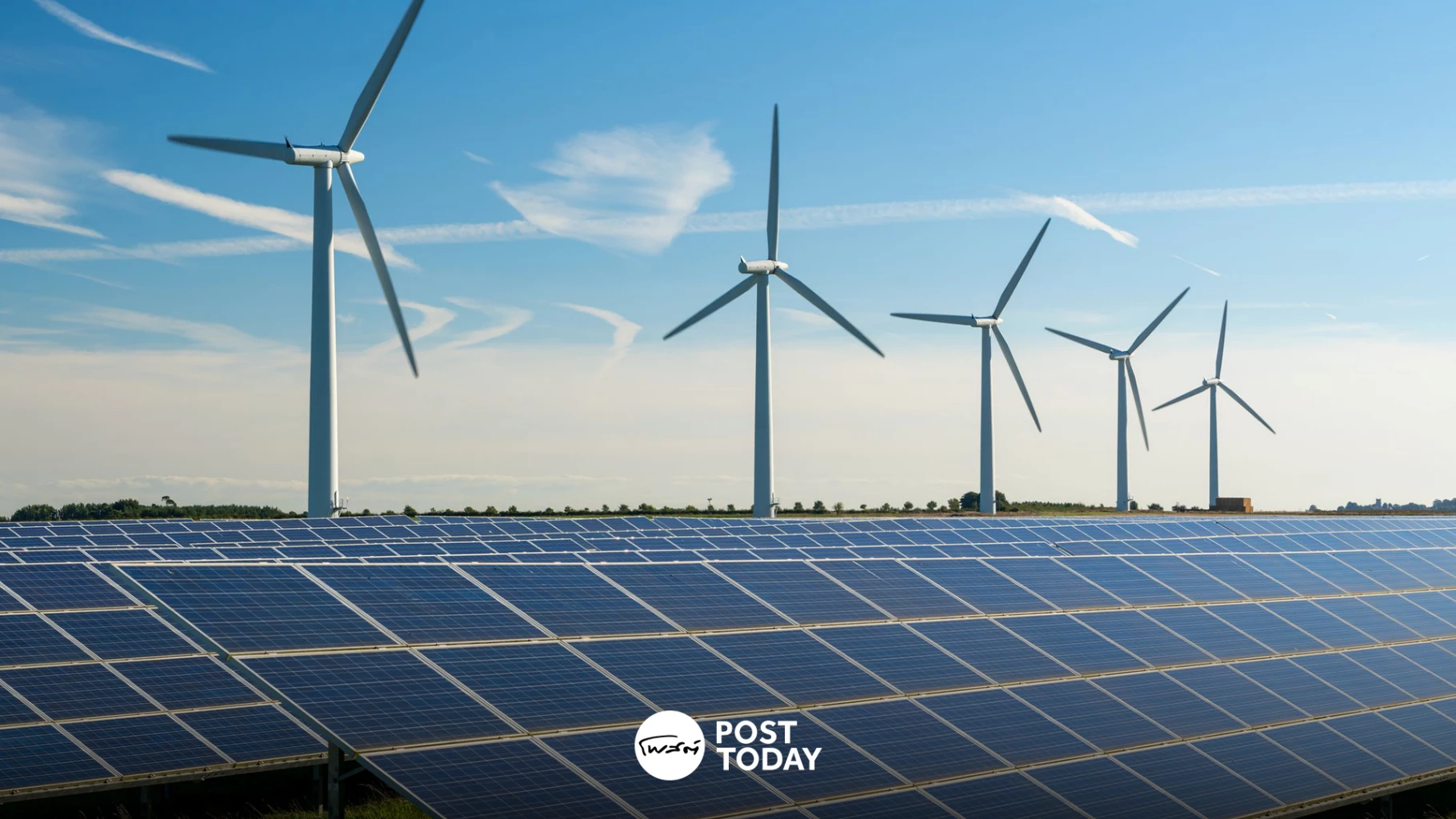
A new Siemens report identifies smart technology and intelligent grids as essential tools for maintaining global electrical energy security.
Energy security has emerged as a critical global priority as nations navigate the complexities of the modern energy transition. According to analysis from Siemens, the integration of advanced technologies and smart grid infrastructures serves as the fundamental mechanism for achieving a sustainable and stable power supply.
The Shift Toward Smart Grids
The transition toward renewable energy sources requires a fundamental redesign of existing electrical systems. Traditional power grids, which were designed for centralized, predictable energy flows, face significant challenges when managing the intermittent nature of wind and solar power. Smart grids address these issues by utilizing digital communication and automated controls to balance supply and demand in real time.
These technological advancements allow for:
- Enhanced monitoring of electricity flow across vast geographical areas.
- Automated response to fluctuations in renewable energy production.
- Improved integration of distributed energy resources, such as residential solar panels.
- Increased resilience against physical and cyber threats to energy infrastructure.
Technological Drivers of Energy Security
The Siemens analysis emphasizes that digitalizing the energy sector is no longer optional but a necessity for stability. As the world moves away from fossil fuels, the complexity of managing a decentralized grid increases. Smart technology acts as the connective tissue, ensuring that power remains reliable even as the source of that power changes.
Key components of this technological evolution include:
- Digital Twin Technology: Creating virtual models of physical assets to predict maintenance needs and simulate grid stress.
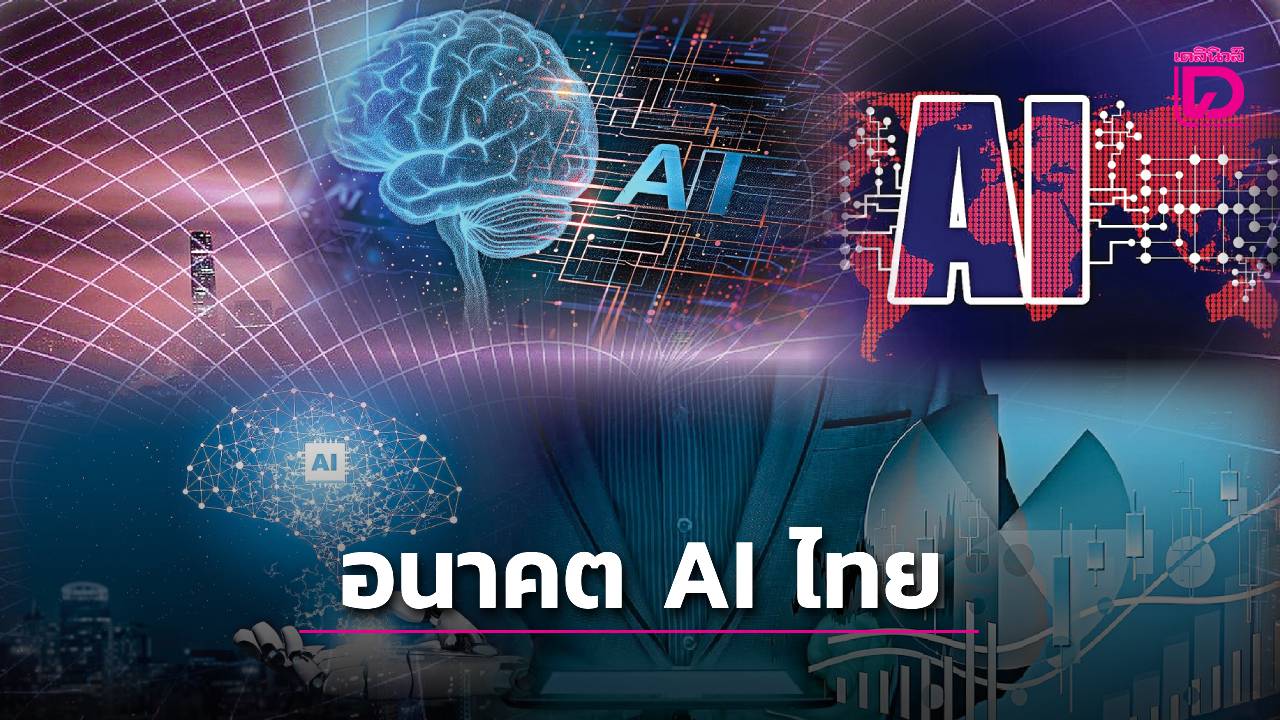
- AI-Driven Analytics: Using machine learning to forecast energy demand patterns and optimize distribution.
- Advanced Sensors: Deploying IoT devices throughout the grid to provide instantaneous data on voltage and current.
Challenges in the Transition Period
While technology provides the solution, the transition period presents significant hurdles. Integrating these high-tech systems into aging infrastructure requires substantial capital investment and international cooperation. Furthermore, the increasing reliance on digital software means that cybersecurity must become a central pillar of energy policy to protect vital national assets from interference.
The report suggests that the speed at which nations adopt these intelligent systems will largely determine their ability to maintain economic productivity during the shift to green energy. Ensuring a steady, uninterrupted flow of electricity remains the primary benchmark for success in the global energy transition.