Colt Gray mental health testimony continues in Apalachee High School trial
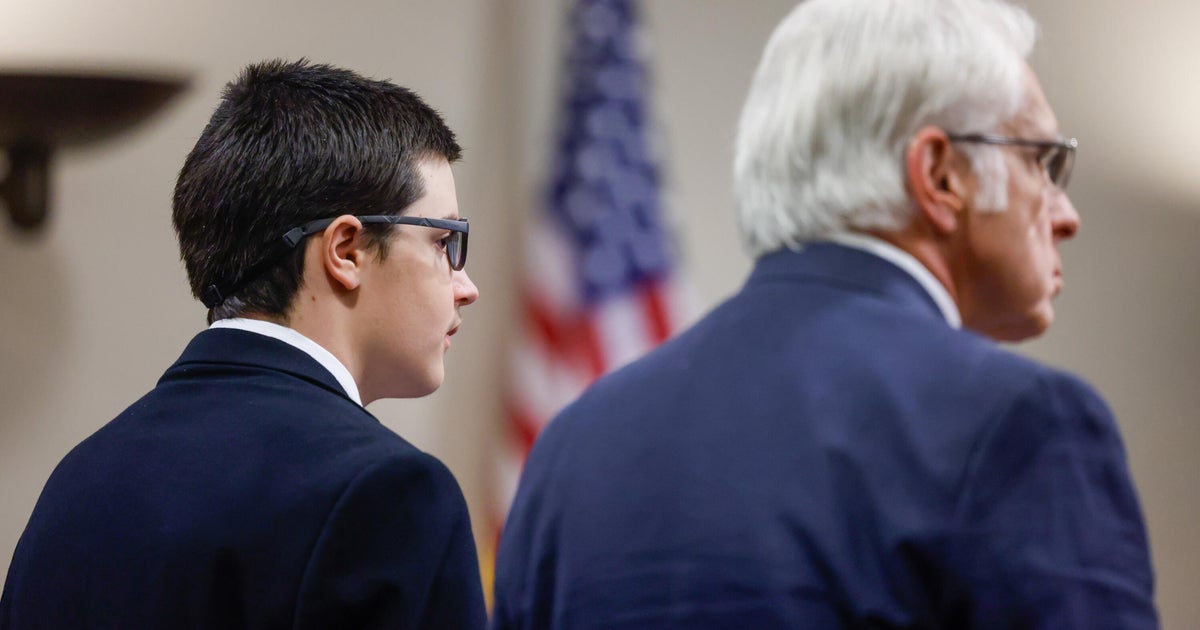
A judge determines the sentence for Colt Gray following his guilty plea for the Apalachee High School shooting that killed four students and injured nine others.
Sentencing Proceedings
Legal proceedings regarding the sentencing of Colt Gray have moved into a critical phase, focusing on testimony concerning the 16-year-old's mental health. The court is currently weighing various psychological factors to determine the appropriate punishment for his actions.
Gray previously entered a guilty plea relating to the mass shooting at Apalachee High School. The incident, which resulted in the deaths of four individuals and left nine others with injuries, has had a profound impact on the local community and the wider educational landscape in Georgia.
Potential Sentencing Outcomes
The presiding judge faces a significant decision regarding the severity of the sentence. The court must decide whether Gray will be sentenced to life in prison with the possibility of parole, or life without the possibility of parole.
The decision rests on several key elements presented during the hearing, including:
- Expert testimony regarding the defendant's mental state at the time of the offence.
- The psychological evaluation of his current capacity for rehabilitation.
- The impact statements provided by the victims and their families.
- The specific details of the crimes for which he has already pleaded guilty.
The sentencing hearing is part of a complex legal process intended to address the gravity of the crimes committed during the school shooting. Legal experts note that the distinction between life with or without parole remains a central point of contention in this case.
Case Background
The shooting at Apalachee High School remains one of the most significant recent instances of school violence in the region. The investigation into the event led to the identification of Colt Gray as the perpetrator, who subsequently admitted to the killings and injuries caused during the attack.
As the testimony continues, the court's focus remains on balancing the legal requirements of the sentencing guidelines with the psychological evidence presented by medical and psychiatric professionals.